How Long Does HVAC Installation Take?

How Long Does HVAC Installation Take

The timeline for a new HVAC system installation includes researching systems, choosing a reputable company, exploring options, and scheduling. Each step influences how long your project takes.

Homeowners should take their time to ensure they understand the options available and prioritize their preferences. It’s also helpful to choose off-season installations. Contact HVAC Installation Company to learn more.

The System

The heating, ventilation and air conditioning system in your home or business works in tandem to keep the indoor environment comfortable. An HVAC professional can assess your existing system to recommend a replacement solution that saves you money over time. They can also look at the condition of your ductwork and provide tips for improving its efficiency and function.

During the initial evaluation, an HVAC professional will take measurements and evaluate the layout of your home or office to determine how large an HVAC unit is needed. They’ll use the data to create a Manual J load calculation to ensure your new system is properly sized for your space. An improperly sized system wastes energy, short cycles and struggles to control humidity.

Once they’ve determined the size and type of system required, an HVAC professional will begin installation by removing any existing equipment. They’ll disconnect power, recover any refrigerant and follow proper safety protocols to safely remove, recycle and dispose of old parts and equipment. If a full system replacement is being installed, they’ll also take the opportunity to inspect and modify your ductwork to improve its efficiency and functionality.

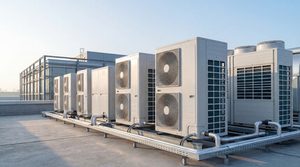
Then, the new outdoor and indoor units will be installed. They’ll connect the new equipment to the ductwork, run refrigerant lines and complete any necessary electrical connections. They’ll also install any requested accessories like thermostats and air purifiers.

The final step is to test the new HVAC system for optimal performance. They’ll adjust the thermostat, test airflow, temperature control and balancing, and verify refrigerant levels. They’ll also perform a comprehensive cleaning and sanitation to prevent mold and bacteria from growing on internal components. In addition to testing, yearly maintenance is critical to keeping your system running at peak performance and longevity. Getting your air conditioner serviced on a regular basis can save you money in the long run by preventing overworking and premature breakdowns. Changing your filter regularly is another easy way to improve your HVAC system’s performance and efficiency. Having an HVAC company you trust to complete maintenance and repairs can help save you from the hassle, cost and inconvenience of emergency repair bills.

The Ductwork

Similar to the way arteries transport blood in the body, ductwork transports conditioned air from your HVAC unit throughout your home or building. A network of ducts connects your furnace to each room, pushing out the cooled or heated air and collecting used air from those rooms to return to your unit to be reconditioned. The return ducts also help promote healthy indoor air quality by venting toxic fumes such as carbon monoxide outside.

Ducts can be made from a variety of materials, including metal or fiberglass and come in a wide range of shapes and sizes. The larger ducts are called trunk lines that connect to your furnace or air conditioner and branch out into the individual ducts in each room. The ducts can be connected with various components such as take-offs, turning vanes and cleats to create pathways that efficiently transfer air.

The ductwork system in your home or office can make or break its energy efficiency and indoor air quality. Choosing the right type and size of ductwork is crucial. An HVAC professional will perform Manual J and Manual D calculations to ensure the ducts and equipment are properly sized for your home or business.

Most new or replacement air conditioning systems will require duct modifications, especially in homes with older systems. This is because the existing ductwork may be too small or too large for the new system and result in negative pressure levels that cause air flow problems.

Another reason to choose the right type and size of ductwork for your HVAC system is to help reduce energy costs. Insulated ducts prevent heat loss and increase your home or business’s overall energy efficiency. This helps to save on heating and cooling bills while ensuring your home is comfortable throughout the year.

A ductwork inspection can also determine whether you have leaks, which will affect how long it takes to install your new HVAC system. Repairing ductwork can add to the installation time and increase your overall cost.

The Installation

After assessing your home and selecting the right HVAC system, the installation process begins. The HVAC service professional will install the new indoor and outdoor units, create a proper condensate drain line, connect the electrical wiring, and seal the ductwork. They will also test the performance of the new equipment and ensure that all settings are optimized for efficiency.

During this process, the service professional will discuss your energy needs and recommend any upgrades you may want to consider, such as smart thermostats or whole-home dehumidifiers. They will also discuss any potential rebates or energy efficiency options to help offset the cost of your new system.

Once the installation is complete, they will charge the new refrigerant lines and perform detailed system testing to make sure everything is operating as it should. This final step is critical to ensuring the long-term health of your air conditioner. It helps identify any issues that can lead to reduced performance, such as duct leaks or low refrigerant levels.

The amount of time it takes to complete the installation will vary depending on the size and complexity of your new HVAC system, as well as where it is located in your home. For example, a unit that needs to be installed in a crawl space or basement will take longer to install than one that is easily accessible in a garage or closet.

The best way to minimize installation time is to schedule your HVAC replacement during spring or fall, when demand is lower than during summer and winter. It can sometimes take a few days to find an installation team at the peak of demand, but in the off-season, they are likely to be available sooner.

Testing

After ensuring that the airflow system is working properly, professionals will install the actual HVAC unit. This could be an air conditioner, a furnace or even a heat pump depending on the needs of the homeowner. The unit must be correctly sized for the home and installed according to manufacturer instructions to ensure optimal efficiency and function.

Upon completion, the technician will test the HVAC system. This typically involves assessing a number of factors, including airflow rates, system pressures and temperature output. By identifying any inefficiencies, issues or problems with the system, HVAC professionals can quickly and accurately correct them to optimize performance.

HVAC testing can also uncover a variety of issues that might not be obvious to homeowners, like leaking ductwork, improper thermostat settings or low refrigerant levels. By catching these issues early on, technicians can prevent them from causing major system failure or costly energy waste.

In addition, HVAC testing can provide valuable insight into how well your system is performing in the long term. For instance, a noisy system may indicate that the equipment is working harder than necessary to compensate for inefficient or unbalanced air distribution. By addressing these issues, you can enjoy more consistent temperatures and reduced energy costs in Lancaster, PA.

The results of HVAC testing can also guide homeowners when it comes to upgrades or replacements. If the report indicates that your existing equipment is nearing the end of its lifespan, you might consider upgrading to a more efficient model to improve your energy savings and comfort.

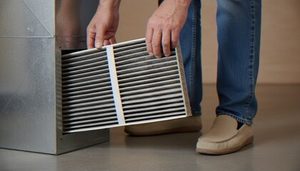
Before the HVAC installation process begins, it’s a good idea to prepare by cleaning or replacing your filters. This will help ensure that the test results are accurate and give you a true picture of your system’s health and performance.

A clean filter is also essential for promoting consistent airflow throughout the home. Having a consistent flow of clean air helps reduce indoor air quality problems and provides the best possible comfort. It’s a simple step that can make a big difference! HVAC performance testing can also recommend other routine maintenance measures, such as regular filter changes and a tailored maintenance schedule. These tasks are easy to do and can help you get the most out of your system, prolonging its life and maximizing performance.

Water Damage Repair for Residential Properties

Salt Lake Water Damage Repair

Salt Lake Water Damage Repair starts with a thorough inspection and moisture assessment. Then, experts use air movers and dehumidifiers to remove the moisture that hides behind wet surfaces.

Early water detection saves money and stress. It also prevents structural damage, mold growth, and health risks. Watch for: Standing water, wet spots, warped or sagging materials, and musty or sour odors.

Damage Assessment

Water damage can be caused by anything from a burst pipe to an overflowing bathtub, and it can cause serious problems from discoloration and swelling to mold growth and structural issues. No matter how your property gets its water, the sooner it’s assessed and restored, the better. The longer it sits, the more damage and higher repair costs you’ll face.

The water damage assessment process starts with a visual inspection. Experts walk through spaces, examining walls, floors, and ceilings for signs of discoloration, swelling, and buckling. They also check for water sources and stains to determine the severity of the problem.

Once they’ve gotten a feel for the scale of the problem, professionals can use moisture meters and thermal cameras to identify the full extent of the water damage. This helps them shape a targeted drying and restoration plan that doesn’t leave behind hidden moisture or structural issues.

They’ll also categorize the water type based on its contamination level and whether it’s clean, gray, or black water. This is important because the more contaminated the water, the more safety precautions you’ll need to take. For example, if the water is classified as Category 3, it’s unsanitary and contains dangerous pathogens that could cause illness. This type of water requires special disinfecting procedures, including wearing personal protective equipment and removing non-salvageable materials like drywall below the flood line, carpet padding, and low to medium density insulation.

Once the experts have a clear picture of the scope of work, they’ll create a detailed report that includes photographs, moisture readings, and notes. This makes for a much more transparent restoration plan and easier communication with insurance companies.

Water damage repairs can include a wide variety of services, from simple patching and painting to replacing insulation and rebuilding walls and ceilings. The specialists can even handle complex structural repairs and reconstruction.

Cleaning & Sanitization

After the initial assessment and mitigation, homeowners must focus on cleaning and sanitizing their homes to avoid mold and mildew growth and structural issues. These steps also help prevent health hazards and improve indoor air quality, minimizing future costs and restoration timelines.

Homeowners should first turn off any water sources such as a leaking pipe or broken sprinklers. They should then carefully check the property for safety risks, such as downed power lines or gas leaks. They should also evacuate the affected area until it’s safe to return. Taking these immediate actions will significantly impact the long-term outcomes of a water loss.

The next step is to dry out the affected areas using specialized equipment like industrial-grade fans and dehumidifiers. This process ensures that all moisture is removed from materials and contents, preventing future damage like rot and mold. During the drying process, it’s critical to monitor humidity levels and adjust equipment as necessary.

Once moisture is at a safe level, a professional should disinfect all surfaces and belongings to reduce bacterial buildup. This includes a thorough cleaning of furniture and carpets, as well as the disinfection of drywall, floors, walls, ceilings, and other structural elements. Professionals should always wear personal protective equipment (PPE) like an N-95 mask, disposable gloves, goggles, and rubber boots.

This is especially important for black water damage, which often results from floods or sewer backups and contains harmful bacteria that can cause serious illnesses. The specialist may need to discard unsalvageable items if severe contamination is detected. Once all items and structures are sanitized, they can be rebuilt or repaired depending on the extent of damage. Structural repairs may include replacing weakened beams, joists, and walls.

Structural Repairs

Water damage can leave a property vulnerable to structural problems, such as sagging floors or bowing walls. It can also exacerbate existing issues, such as a weakened foundation or wood rot. In addition, moisture promotes the growth of mold, which poses health hazards for occupants. The good news is that a fast response to any signs of moisture can prevent these problems from worsening and save homeowners money and stress.

A professional restoration company will begin the process of cleaning and sanitizing the affected area. This may involve removing drywall and other damaged materials, cleaning and disinfecting surfaces, and addressing any mold issues. In some cases, specialized equipment like air movers and dehumidifiers will be used to speed the drying process and mitigate any potential damage.

Next, the restoration professionals will make any necessary repairs to restore the integrity of the structure. This may include repairing or replacing drywall, flooring, and other building materials. It may also be necessary to replace insulation and re-plumb any affected areas. If the home has a crawl space, it can be more difficult to access and dry the area, but this shouldn’t prevent the experts from providing a complete repair solution.

If the problem is extensive, it may be necessary to perform more significant structural repairs. These might include reinforcing beams, re-plumbing the foundation, and other methods of restoring the stability of the home or building. In some cases, it may be necessary to remove and replace entire sections of the structure.

The cost of water damage repair for residential properties can vary greatly depending on the extent and duration of the water intrusion. The location of the damage, the materials involved, and the level of professional services needed can all affect the final cost. It’s also important to consider your insurance coverage and any deductibles before hiring a restoration contractor.

The bottom line is that water damage repair is a complex and crucial process. It not only helps preserve the integrity of structures and safeguards personal belongings, but it also protects occupants’ safety by reducing the risk of mold growth and other common crawl space issues.

Mold Remediation

Mold isn’t just a nuisance – it poses serious health hazards, particularly for those with allergies or respiratory sensitivities. Untreated, it can lead to a host of problems, including persistent allergy-like symptoms, asthma flare-ups, and fungal infections.

That’s why it’s important to act quickly when water damage leaves your property vulnerable to mold growth. A qualified restoration company will offer both mold remediation and mold removal services to protect your property’s value and ensure the safety of its inhabitants.

Unlike mold removal, which focuses on the surface areas where spores grow, remediation goes further by identifying and addressing the source of the spores. A professional will use an EPA-registered biocide (moldicide) to kill existing spores and prevent future growth. Depending on the type of spores, they may also isolate and clean affected surfaces using an effective cleaning process to prevent spores from spreading in other areas.

The first step in the mold remediation process is containment and air filtration. Using a HEPA vacuum, the technicians will isolate the contaminated area to prevent spread of the spores. Then they’ll remove wet and mold-damaged porous materials, such as carpeting and drywall, and dry the remaining structure. Finally, they’ll clean and disinfect the area with a biocide/fungicide solution to prevent further growth and re-contamination.

After a final inspection and cleaning, an air quality test can verify that the amount of spores remaining in the air is at safe levels. This is an essential step because a restoration company that does not offer this service cannot provide their clients with full confidence that the mold problem is fully addressed.

While some restoration companies make a quick buck by simply removing the visible signs of mold, they are not getting to the root of the issue and preventing further damage. This is why a professional restoration company will not only offer mold testing, but will also perform remediation to get the level of fungus in the air back down to normal, natural levels. This is the only way to ensure that mold will not return and cause more damage in the future.

Reliable HVAC Services to Improve Efficiency and Air Quality

HVAC Round Rock systems are essential for maintaining a comfortable and healthy indoor environment in both homes and businesses. Beyond controlling temperature, these systems regulate airflow, manage humidity, and filter airborne pollutants, all of which contribute to overall indoor air quality (IAQ). However, like any complex system, HVAC units require regular maintenance, timely repairs, and occasional upgrades to operate efficiently.

Reliable HVAC services not only restore proper system functionality but also enhance energy efficiency, extend equipment lifespan, and improve indoor air quality for year-round comfort. This guide explores the benefits of professional HVAC services, common system issues, preventive maintenance, and strategies to optimize indoor comfort and air quality.

HVAC

The Importance of Reliable HVAC Services

HVAC systems are intricate assemblies of mechanical and electrical components, including compressors, coils, fans, ductwork, thermostats, and filters. When one component fails or operates inefficiently, it can affect the system’s performance, increase energy consumption, and compromise indoor comfort.

Reliable HVAC services ensure that all parts of the system function correctly and cohesively. Professionals provide comprehensive solutions, including installation, repair, maintenance, and system upgrades. Their expertise allows for accurate diagnostics, efficient repairs, and effective performance optimization.

For homeowners, reliable HVAC services translate into consistent temperatures, improved air quality, and reduced energy costs. In commercial settings, these services support employee productivity, maintain equipment longevity, and ensure a safe, comfortable environment for clients and staff.

Common HVAC Problems and How Experts Address Them

Understanding common HVAC problems helps property owners recognize when professional intervention is needed. Some typical issues include:

  1. Reduced Heating or Cooling Efficiency
  2. If certain areas of a property are too hot or cold, it may indicate airflow problems, thermostat malfunctions, or uneven duct distribution. HVAC professionals evaluate airflow, recalibrate thermostats, and repair system components to restore balanced temperatures throughout the space.
  3. Dirty or Clogged Filters
  4. Filters capture dust, pollen, and other pollutants, protecting the system and improving indoor air quality. Over time, filters become clogged, restricting airflow and reducing efficiency. Technicians inspect, clean, or replace filters to ensure optimal airflow and performance.
  5. Refrigerant Issues
  6. Air conditioning units rely on proper refrigerant levels to cool effectively. Leaks or insufficient refrigerant reduce cooling capacity and force compressors to work harder, increasing energy usage. Experts identify leaks, repair affected components, and recharge refrigerant to the correct levels.
  7. Electrical Problems
  8. Faulty wiring, blown fuses, or malfunctioning capacitors can disrupt HVAC operations or create safety hazards. Skilled technicians safely repair electrical components to restore system reliability.
  9. Unusual Noises or Odors
  10. Buzzing, rattling, or grinding sounds often signal mechanical or electrical issues, while musty or unpleasant odors may indicate mold or debris buildup. Professionals identify the source and perform necessary repairs, cleaning, or system adjustments.
  11. Water Leaks or Ice Formation
  12. Condensation leaks or ice buildup on coils indicate drainage or airflow problems. HVAC experts inspect and correct these issues to prevent further damage and maintain proper operation.

Timely repairs of these issues improve system efficiency, restore comfort, and prevent long-term damage that could require costly replacements.

The Role of Skilled HVAC Technicians

The effectiveness of HVAC services largely depends on the skills and experience of the technician. Reliable HVAC providers employ professionals trained to handle various systems, including central air units, ductless mini-splits, heat pumps, and commercial-grade equipment.

Technicians use advanced diagnostic tools to identify issues quickly and accurately. Their knowledge ensures that repairs are performed correctly the first time, minimizing recurring problems. Furthermore, professionals prioritize safety, handling electrical components and refrigerants according to industry standards to protect both property and occupants.

Benefits of Reliable HVAC Services

Investing in professional HVAC services provides numerous advantages for homeowners and business owners alike:

  • Improved Energy Efficiency
  • Well-maintained HVAC systems operate more efficiently, reducing energy consumption and lowering utility bills. Repairs such as fixing leaks, cleaning coils, and calibrating thermostats ensure optimal performance.
  • Enhanced Indoor Air Quality
  • Clean filters, proper ventilation, and humidity control help eliminate airborne contaminants, allergens, and pollutants, creating a healthier indoor environment.
  • Consistent Comfort
  • Reliable HVAC services restore even heating and cooling throughout the property, preventing hot or cold spots.
  • Extended System Lifespan
  • Professional maintenance and repairs reduce wear and tear, prolonging the life of the HVAC system.
  • Cost Savings
  • Timely repairs and preventive maintenance minimize the risk of emergency breakdowns and costly replacements.
  • Safety and Compliance
  • Professionals ensure electrical components, refrigerants, and ventilation systems are handled safely, protecting occupants and complying with safety regulations.

Preventive Maintenance for Year-Round Comfort

Regular maintenance is critical for maximizing system efficiency, preventing breakdowns, and maintaining air quality. Preventive HVAC maintenance typically includes:

  • Filter Cleaning or Replacement
  • Regular filter maintenance improves airflow, enhances indoor air quality, and prevents strain on system components.
  • Coil Cleaning
  • Evaporator and condenser coils accumulate dirt and debris over time, reducing efficiency. Cleaning these components ensures proper heat exchange and system performance.
  • Refrigerant Level Checks
  • Proper refrigerant levels maintain cooling efficiency and prevent compressor strain.
  • Electrical Component Inspection
  • Technicians check wiring, capacitors, and connections to prevent electrical failures and potential hazards.
  • Ductwork Evaluation
  • Sealing leaks, insulating ducts, and optimizing airflow improve efficiency and ensure even heating and cooling.

Many HVAC providers offer seasonal maintenance plans, scheduling inspections before peak heating or cooling periods. These services minimize unexpected repairs, maintain energy efficiency, and ensure consistent indoor comfort year-round.

Energy Efficiency Strategies

Energy efficiency is a key component of reliable HVAC service. Properly maintained and repaired systems consume less electricity while maintaining performance. Strategies to improve efficiency include:

  • Repairing Leaks in Ducts or Refrigerant Lines
  • Preventing leaks ensures energy is not wasted and systems operate at peak efficiency.
  • Cleaning and Replacing Filters and Coils
  • Improved airflow and heat exchange reduce energy consumption.
  • Upgrading to High-Efficiency Components
  • Modern compressors, fans, and motors use less energy while providing consistent performance.
  • Thermostat Optimization
  • Programmable or smart thermostats prevent unnecessary cycling, reducing energy costs without sacrificing comfort.

By implementing these strategies, property owners benefit from lower utility bills and a reduced environmental footprint.

Enhancing Indoor Air Quality

Indoor air quality is closely linked to HVAC system performance. Professionals help improve air quality through:

  • High-Quality Filtration
  • Advanced filters remove fine particles, allergens, and dust from the air.
  • Humidity Control
  • Properly balanced humidity reduces mold growth, allergens, and respiratory irritants.
  • Air Purification Systems
  • UV lights, ionizers, or HEPA filtration systems eliminate contaminants, enhancing indoor air quality.

These improvements not only support healthier living and working environments but also enhance the efficiency and longevity of the HVAC system.

Residential and Commercial Benefits

Residential Homes:

Reliable HVAC services provide homeowners with consistent indoor temperatures, improved air quality, and energy savings. Regular maintenance and timely repairs prevent sudden breakdowns and increase system longevity.

Commercial Spaces:

Businesses rely on efficient HVAC systems to maintain employee comfort, protect equipment, and enhance customer experiences. Professional services minimize downtime, reduce energy costs, and support safe and healthy environments for staff and clients.

Recognizing Signs You Need HVAC Services

Property owners should watch for indicators that HVAC maintenance or repair is required:

  • Uneven indoor temperatures
  • Strange noises or odors from the system
  • Reduced airflow from vents
  • Water leaks or ice buildup on components
  • Frequent cycling of the system
  • Unexpectedly high energy bills

Early recognition of these signs allows homeowners and businesses to schedule prompt service, preventing more serious problems and maintaining comfort and efficiency.

Choosing a Reliable HVAC Service Provider

When selecting an HVAC service provider, consider the following factors:

  • Experience and Expertise
  • Technicians should have experience with a variety of HVAC systems and brands to ensure accurate and effective repairs.
  • Comprehensive Services
  • Providers offering installation, repair, maintenance, and upgrades provide a complete solution for year-round indoor comfort.
  • Response Time
  • Fast and reliable service is crucial, especially during extreme temperatures.
  • Quality Parts and Equipment
  • High-quality replacement parts ensure long-lasting performance and system reliability.
  • Preventive Maintenance Plans
  • Scheduled maintenance reduces future repair needs and ensures systems remain efficient and safe.

Choosing a trusted HVAC service provider ensures consistent comfort, improved air quality, and efficient system performance.

Reliable HVAC services are essential for maintaining comfortable, energy-efficient, and healthy indoor environments in both residential and commercial spaces. Skilled technicians provide comprehensive solutions, including installation, repair, maintenance, and upgrades, to optimize system performance and indoor air quality.

Regular maintenance and timely repairs prevent minor issues from becoming major problems, enhance energy efficiency, and extend the lifespan of HVAC equipment. Upgrades such as high-efficiency components, smart thermostats, and improved filtration systems further improve comfort and indoor air quality.

By investing in reliable HVAC services, property owners can enjoy consistent heating and cooling, improved air quality, reduced energy costs, and peace of mind throughout the year. Professional HVAC services are not just a convenience—they are a critical investment in comfort, health, and efficiency.

Furnace Repairs to Keep Your System Running Properly

Furnaces need service to help keep them safe and running properly. Observing small problems like squealing noises or higher heating bills can alert you to call for professional repair before more costly issues occur.

hvac

Before a technician begins working, they should make sure the power to the system is turned off. Look for a fuse or breaker near the furnace at the main electrical entrance panel. Keep reading the article below to learn more about BEST HVAC COMPANIES IN CINCINNATI.

The warm whoosh of a furnace running is a familiar sound that signals that your home is staying toasty. If that sound isn’t present, the problem could be a number of things ranging from dirt on the burners to a cracked heat exchanger. Whatever the case, the solution is to call a local heating contractor for repairs.

Whether your furnace uses a traditional pilot light or an electronic ignition system, the burners are essential for mixing air with gas to create the combustion that produces your home’s heating. If you’re seeing the burners flicker or glow orange instead of blue, they’re clogged with soot and need to be cleaned.

When a furnace’s burners become dirty, it can affect the overall heating capacity of the system, especially in colder temperatures when the system needs to run harder to keep your State College home warm. The good news is that this isn’t difficult to resolve for most heating technicians. A professional will shut off your heating system and then use a compressed air canister to blow out the visible debris in the burner compartment before carefully removing the burners for cleaning.

Once the burners are clean, they can be reassembled and tested. If a problem remains, the technician may need to check a safety sensor that keeps unburned gas from flooding the combustion chamber. If this has become coated in grime or is faulty, it will shut off the gas supply even if the flames are still lit, leaving your house without any heat.

Your furnace’s blower motor and fan are also prone to becoming clogged with dirt and dust. This can interfere with the ability of the system to draw air through its return ducts, so the technician will clear out any dirt on these components as well as the heat exchanger using special tools. Ideally, the majority of these repairs will be completed during annual maintenance, which also includes a comprehensive inspection and testing of the system to ensure that everything is working correctly. This is the best way to avoid major issues that require urgent repairs.

Thermostat

Whether your system is electric or gas-powered, it needs to have the right parts in order to function properly. Among these vital components is the thermostat, which sends signals to your HVAC system based on the temperature it detects in different areas of your home. This is how your system knows when to turn on or off, and it’s essential for your comfort and energy efficiency. Fortunately, you can take several preventive measures to prolong the lifespan of your furnace’s thermostat.

First, ensure that your heater has power by checking the fuse box. A blown fuse or tripped breaker can throw off your furnace’s electrical connections. To fix this issue, replace the blown fuse or switch the breaker to the “on” position.

It is also possible that your heater has a problem with the flame sensor, which senses if there’s a flame and shuts down to avoid safety risks. A professional can clean or replace the flame sensor to help your furnace work safely.

Another common issue is airflow problems, which may cause your furnace to overheat or not produce enough heat. To fix this, make sure that your blower motor isn’t broken or stuck. Also check to see if your vents are blocked, and if so, make sure they’re open.

You can also test your heating system’s battery, which is a common culprit for many furnace malfunctions. By using a multimeter, set it to 50 VAC and touch one probe to the thermostat screw heads, then the other to a terminal on the furnace access panel. If no current is detected, your thermostat has a dead battery, and you’ll need to replace it.

Ultimately, regular maintenance is the best way to keep your furnace in good shape for as long as possible. Cleaning or replacing your air filter monthly during heavy use is a must, as well as vacuuming and cleaning your vents and registers to remove dust, dirt, and debris. Additionally, it’s a good idea to replace your furnace’s batteries every year and inspect the gas valve for problems. If the system’s parts are nearing the end of their lifespan, you’ll need to weigh your options and determine if investing in a full replacement is the best option for you.

Blower Motor

The blower motor is a critical component of the furnace that moves and circulates warm air throughout your home. If the blower motor experiences any problems it could cause the other components of your system to overheat or experience a complete failure. This is one of the most important furnace repairs to make in order to keep your heating system running properly.

Noises like buzzing, rattling, or screeching indicate a problem with the blower. These sounds are usually caused by loose blower components and are a major safety hazard if they continue to occur. If you notice these signs, shut off the power to your furnace by flipping the switch at your electrical box. Then, open your furnace vents and make sure there is no blockage that would be inhibiting the flow of air. You can also open the vents around your house to make sure there is no dust accumulation that would be causing this.

If the odor of burning plastic or smoke is coming from your vents, it may be an indication that the blower motor has overheated. This is a serious problem and should be addressed immediately by calling Thermo Direct.

A major part of furnace repair is making sure the blower motor is properly lubricated. Adding the correct amount of machine oil will ensure it doesn’t overheat or wear down prematurely. The technician will clean the blower motor and fan, remove the blower shaft bearings, and add a few drops of machine oil to them.

The technician will test the motor and fan speed to determine whether they are functioning properly. They will also inspect the flame sensor to make sure it is not coated in any residue that can prevent it from sensing your burner flame correctly. After the blower motor is in good condition, the technician will perform a startup cycle. This involves turning your furnace off and on several times to ensure there are no problems that could indicate a potential system failure. The technician will then test the amp draw of the blower to determine if it is drawing too much or too little power.

Pressure Switch

The pressure switch is one of the safety mechanisms that your furnace relies on to operate safely. It is designed to open when the inducer motor creates suction or negative pressure and close when that suction or negative pressure is removed. It’s a good idea to inspect this component regularly to make sure it works as intended. A faulty switch may indicate that your furnace isn’t producing heat or blowing air, and it’s likely time for a replacement.

Aside from visual inspections, there are some things that you can do on your own to troubleshoot and fix the pressure switch. First, ensure that the power to your furnace is turned off. It is also a good idea to turn off your gas valve, too, as this can help prevent accidental exposure to carbon monoxide (CO).

If the pressure switch is faulty or if it has failed to open or close properly, you’ll need to perform a continuity test on it using a multimeter. Place the multimeter probes on the two electrical terminals of the switch. With the inducer motor off and no suction on the switch, the multimeter should show an open circuit (no continuity or a very high resistance). Next, remove the wires and rubber hose from the switch and connect them to your meter. Now, apply and release suction to simulate the opening/closing behavior of the pressure switch. If the switch fails to revert back to an open state when you apply suction, it is defective and needs to be replaced.

Clogged hose ports and cracked rubber tubes are common causes of pressure switches failing, so be sure to check these regularly to keep them functioning properly. Surges and other electrical phenomena can also overload the pressure switch alongside other components, triggering failures. Loose connections can also cause problems with this part.

Major furnace repairs can be expensive and require a lot of manual labor and skill. However, if you have specific problem areas that are severely limiting or inhibiting your system’s performance, it might be worth investing in a repair service. These services can address individual parts of the furnace to improve your overall system. They’ll help you save money on energy and ensure that your furnace will continue to run efficiently throughout the winter.

The Hidden Renewal Inside Furnace Cleaning Rituals

Warmth feels different when it comes from clean air. Furnace Cleaning West Chester has long been treated as a technical task, but it is quietly becoming a ritual of renewal. Beneath its mechanical nature lies a deeper relationship between human comfort, health, and sustainability. The new generation of reviews and practices surrounding this process reveals how cleanliness now extends beyond surfaces.

Furnace Cleaning

Furnaces today do more than heat spaces—they manage the quality of life within walls. When dust, soot, and microscopic particles accumulate, they alter not only air but energy efficiency. Cleaning restores the original balance that machinery was designed to provide. People now see this act not just as maintenance but as mindful preservation of comfort.

The modern view of furnace cleaning focuses on invisible wellness. Users describe how the process improves breathing, reduces allergies, and lessens fatigue. The link between air purity and emotional calm has become undeniable. Many realize that clean systems lead to cleaner minds.

What once felt like a seasonal chore is now an act of responsibility. Homeowners treat furnace care as a sign of respect toward the environment. Regular cleaning reduces emissions and prolongs the life of equipment, cutting unnecessary waste. This ecological awareness turns a household task into a quiet form of advocacy.

New technology has changed how cleaning is done. High-precision tools and sensors now make it possible to assess air flow, residue, and system performance in detail. Reviews emphasize satisfaction when cleaning feels precise rather than random. Accuracy builds confidence that every corner of the system truly breathes again.

The conversation around furnace cleaning has also grown emotional. People share how cleaner air makes their spaces feel lighter, even psychologically. There is comfort in knowing that warmth flows through purified paths. These experiences are shaping a more holistic understanding of indoor living.

Some modern systems now monitor their own cleanliness through built-in analytics. These smart indicators remind users when dust accumulation affects efficiency. Reviews reveal gratitude for such subtle alerts, describing them as “small voices of maintenance.” Technology and intuition are merging in ways that make upkeep effortless.

The trend toward professional deep-cleaning services reflects a shift in trust. Instead of relying solely on do-it-yourself approaches, many prefer skilled inspection. They want to ensure that filters, ducts, and vents receive meticulous attention. This growing reliance on expertise symbolizes a respect for precision in daily living.

Interestingly, reviews show how people now connect furnace cleanliness with energy ethics. A well-maintained system uses less fuel and produces more stable warmth. Users report noticing smaller energy bills and fewer breakdowns. This connection between cleanliness and conservation creates a cycle of reward and responsibility.

The emotional vocabulary around furnace cleaning is also evolving. Words like “freshness,” “renewal,” and “clarity” appear frequently in user feedback. People no longer see the process as mechanical but almost spiritual. Clean air becomes a metaphor for balance and inner order.

Micro-environmental studies have supported what many users feel intuitively. Cleaner furnaces lead to lower indoor particulate matter and improved oxygen flow. These changes affect everything from sleep quality to concentration levels. The science of air now meets the art of maintenance.

One of the most compelling new topics involves sensory perception. Users describe the difference in warmth after cleaning as smoother, more natural. It’s not just heat—it’s texture. This subtle sensitivity shows how deeply humans connect to their immediate environment.

Furnace cleaning has also become part of interior design philosophy. People are learning that aesthetic comfort depends on unseen cleanliness. The most elegant home still feels heavy if the air is impure. Clean warmth has become a silent feature of modern architecture.

Another fascinating angle in current reviews is the role of sound. A clean furnace runs quieter, creating a more peaceful environment. Users often note how the absence of mechanical noise enhances focus and rest. Silence, in this case, becomes proof of cleanliness.

The psychological comfort that follows cleaning often surprises new homeowners. Many describe an unspoken relief, as if the entire home inhales more freely. That sense of liberation reinforces the value of regular upkeep. It reminds people that comfort is both physical and emotional.

Technological innovation continues to push this practice forward. Tools now detect temperature inconsistencies and debris locations in real time. Reviews mention appreciation for the transparency these diagnostics provide. Knowing exactly what’s happening inside the system brings peace of mind.

The cultural meaning of furnace cleaning is subtly expanding. It is becoming part of wellness routines, just like nutrition or exercise. People view it as care for both body and space. Clean air transforms into a lifestyle statement rather than a technical achievement.

Many users also point out how the ritual builds discipline. Scheduling cleanings requires awareness of seasons, patterns, and needs. This awareness fosters mindfulness in home management. It turns maintenance into a personal rhythm that aligns with environmental flow.

Energy resilience has become another talking point in the furnace cleaning narrative. Clean systems handle fluctuations and power demands more effectively. Reviews celebrate how this reliability protects against sudden cold spells or mechanical stress. The stability of comfort becomes a mark of readiness.

Some families describe furnace cleaning as a bonding activity. It’s when they collectively reorganize their homes and talk about well-being. The act creates shared responsibility and conversation about sustainability. Clean air becomes a symbol of shared care.

In professional reviews, attention is shifting toward airflow mapping. Experts now track how cleanliness affects circulation efficiency in every room. Users report noticing more consistent warmth across spaces after deep cleaning. This tangible improvement reinforces the value of precision.

Environmental advocates are also discussing furnace cleaning in new ways. They see it as a small-scale yet impactful sustainability act. Cleaner furnaces release fewer particles into the atmosphere and consume less energy. It is an invisible contribution to collective environmental healing.

Some reviews explore the emotional connection between cleanliness and belonging. A freshly cleaned furnace makes a home feel renewed and safe. Warmth feels more genuine when it comes from a cared-for system. This connection nurtures gratitude and attentiveness to daily living.

The topic of indoor microbiomes has entered the furnace cleaning conversation as well. Studies show that neglected systems can harbor bacteria and allergens that affect health. Users appreciate cleaning processes that neutralize these risks without harsh chemicals. Health-conscious consumers are redefining what “clean” truly means.

Energy auditors have started integrating furnace assessments into efficiency reports. Users praise this holistic approach to home care. They see their furnace not as a separate machine but as part of an interconnected ecosystem. This perspective reshapes maintenance from a task into stewardship.

Some of the most innovative discussions in reviews center on predictive cleaning models. Smart systems now analyze data to suggest the optimal cleaning cycle. This precision prevents over-maintenance and underperformance alike. Users call it the “science of timing” in home comfort management.

Airflow aesthetics have also become a quiet fascination. Clean systems distribute air with a softness that feels almost tactile. Reviewers mention noticing this delicate change as part of the joy of maintenance. Comfort, they say, should feel effortless but intentional.

The emotional appeal of furnace cleaning grows stronger each season. It serves as a reminder that warmth, when pure, is more than temperature—it is harmony. The ritual embodies awareness, care, and connection to one’s surroundings. It elevates a technical process into an act of mindfulness.

Even the scent of a freshly cleaned system inspires comment. Users describe it as subtle freshness, distinct from artificial fragrances. This authenticity enhances the sense of purity that comes from genuine cleanliness. The experience engages all senses, making the effort feel rewarding.

Social awareness has also entered the conversation. People discuss how collective care for heating systems can reduce environmental strain. Shared responsibility leads to community-level efficiency gains. Furnace cleaning, in this view, becomes both personal and communal progress.

Some reviewers reflect on how neglect often mirrors distraction in life. When systems go uncleaned, discomfort slowly builds until it demands attention. Cleaning becomes a metaphor for returning to focus and balance. The mechanical task transforms into a quiet lesson in mindfulness.

Advancements in filtration materials are also shaping modern reviews. Eco-friendly filters trap more particles with less resistance. Users appreciate that these innovations balance sustainability with effectiveness. The fusion of technology and ecology defines the new identity of cleanliness.

In the future, furnace cleaning may evolve into a completely automated ritual. Smart homes could self-diagnose, clean, and calibrate without human intervention. Yet reviewers suggest that manual participation still holds emotional value. People want to feel part of the process that sustains their comfort.

As awareness grows, furnace cleaning gains philosophical weight. It embodies the balance between care for the self and care for the environment. Clean warmth feels honest, grounded, and intentional. It represents a return to simplicity amid technological abundance.

Every review, every reflection, circles back to the same realization. Clean air is not a luxury—it is a necessity disguised as comfort. Furnace cleaning safeguards that necessity through rhythm and responsibility. Beneath the hum of machinery, it teaches harmony between human life and the quiet systems that sustain it.

Stay Cool with Smart Aircon Repair Practices

An air conditioning unit is one of the most valuable appliances in a home, especially in hot or humid climates. It keeps indoor temperatures comfortable, reduces humidity, and improves air quality. But like any machine, it can develop problems over time. Knowing how to handle aircon repair issues can save you money, prevent major breakdowns, and keep your home cool when you need it most.

This guide walks through the essentials of aircon repair—from recognizing warning signs to simple troubleshooting steps—without mentioning specific brands or locations.

aircon repair

Understanding How Your Aircon Works

An air conditioner doesn’t simply blow cold air; it absorbs heat from your indoor space and releases it outside. It uses a combination of components—compressor, evaporator coils, condenser, fans, and refrigerant—to make this happen. When any of these parts malfunctions, the system’s performance suffers.

A basic understanding of these parts helps you identify where problems might arise and communicate more effectively with technicians if needed.

Common Signs Your Aircon Needs Repair

Spotting trouble early can prevent bigger, more expensive issues. Look out for these warning signs:

  • Insufficient cooling: Warm or uneven airflow may indicate low refrigerant, dirty coils, or a failing compressor.
  • Weak airflow: Clogged filters, blocked ducts, or a worn-out blower fan can reduce air movement.
  • Strange noises: Grinding, squealing, or rattling often point to loose parts or failing motors.
  • Unpleasant smells: Musty odors could signal mold growth; burning smells might indicate electrical issues.
  • Frequent cycling: If your system turns on and off repeatedly, it may be struggling with thermostat issues or restricted airflow.

Recognizing these symptoms gives you a chance to fix issues before they escalate.

Safety First Before Repair

Before inspecting or working on your aircon, turn off the power at the circuit breaker. This prevents electrical hazards and protects the equipment. Wear gloves when handling components, and keep children and pets away from the area while you work.

Simple precautions like these make troubleshooting safer and more effective.

Simple Troubleshooting Steps

Some aircon problems can be resolved with basic maintenance rather than major repairs:

Clean or replace filters: Dirty filters restrict airflow, making the unit less efficient and potentially causing ice to form on the coils. Check and replace filters every one to three months, especially during heavy use.

Check thermostat settings: Sometimes, the issue is as simple as incorrect settings or dead batteries. Ensure the thermostat is set to “cool” and the temperature is lower than the current room temperature.

Clear the outdoor unit: The condenser unit outside can collect dirt, leaves, and debris, which block airflow. Turn off the power and gently clean around the unit. Use a soft brush or low-pressure hose to clean the fins without bending them.

Inspect air vents: Make sure furniture, curtains, or rugs aren’t blocking vents inside your home. Proper airflow improves cooling and reduces strain on the system.

More Advanced Checks

If basic maintenance doesn’t solve the problem, a deeper look may be needed:

Frozen coils: Ice on coils or refrigerant lines signals restricted airflow or low refrigerant. Turn off the system and let it thaw, then check for clogged filters or blocked ducts. If the issue persists, it may require professional attention.

Clogged condensate drain: Air conditioners remove moisture from the air, which drains away through a small pipe. Over time, algae and debris can block this line, causing water to back up and leak into your home. You can often clear it with a wet/dry vacuum or flush it with a mild cleaning solution.

Electrical issues: Loose wiring or a failing capacitor can stop your system from starting or running properly. Unless you’re confident with electrical work, it’s safest to call a technician for these repairs.

When to Call a Professional

Not every aircon repair is a DIY project. Issues like refrigerant leaks, compressor failures, or major electrical faults require specialized tools and training. Attempting these repairs yourself can be hazardous and may void any warranty.

A qualified technician can diagnose problems accurately, perform repairs safely, and ensure your system runs at peak efficiency. They can also spot potential issues you might miss, preventing bigger problems down the line.

Preventing Future Repairs

Preventive maintenance is key to avoiding costly breakdowns. By taking a few simple steps, you can reduce the need for repairs and extend the life of your system:

  • Check filters monthly: Clean or replace as needed to keep airflow strong.
  • Keep the outdoor unit clear: Trim back plants and maintain at least two feet of clearance.
  • Monitor energy usage: A sudden spike may signal hidden issues.
  • Schedule annual inspections: A routine check-up before the hot season ensures your air conditioner is ready to perform.

These habits protect your investment and improve your comfort.

Improving Efficiency After Repairs

Once your air conditioner is repaired, evaluate how it runs overall. Small adjustments can help it cool more effectively. Sealing duct leaks, adding insulation, or using ceiling fans to circulate cool air can all boost efficiency.

Improved efficiency means lower energy bills, reduced strain on your system, and fewer repairs in the future.