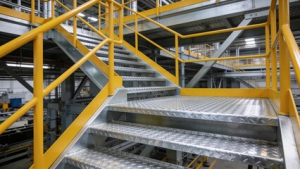
What Are the Benefits of Steel Stairs and Railings?

Steel Stairs and Railings

A staircase is more than a way to move from one level to another. It can become one of the most noticeable architectural features in a building while also providing essential support and safety. When strength, durability, and a clean appearance are important, steel stairs and railings offer a practical solution for many types of spaces. Their ability to withstand regular use while maintaining their structural integrity makes them a dependable choice. With the right design and finish, steel can also create a modern and polished appearance that complements different architectural styles.

Steel Stairs and Railings are valued for their combination of performance and visual appeal. Unlike materials that may require frequent repairs or refinishing, properly designed steel components can remain reliable for many years. They can also be customized to suit different stair layouts, railing styles, and design preferences. Whether the goal is a simple industrial appearance or a more refined architectural look, steel provides considerable flexibility. Understanding its benefits can help property owners, designers, and builders make informed decisions when planning a staircase.

Why Are Steel Stairs a Strong and Durable Choice?

Strength is one of the biggest advantages of steel stairs. Steel has excellent structural properties that allow it to support substantial loads without easily bending, cracking, or deteriorating under normal use. This makes it suitable for staircases that experience frequent foot traffic throughout the day. When properly engineered and installed, steel stairs can provide dependable performance for many years. Their strength also allows designers to create stair structures that are both secure and visually streamlined.

Durability is another important consideration when selecting stair materials. Steel can withstand repeated use and is generally less vulnerable to common problems associated with weaker materials. Proper protective coatings can also help steel resist moisture, corrosion, and surface deterioration. Routine inspections and appropriate maintenance can further extend the useful life of the staircase. Because of these qualities, steel stairs can provide long-term value while reducing the likelihood of frequent structural repairs.

What Makes Steel Railings a Reliable Safety Feature?

Railings play an important role in staircase safety because they provide users with something stable to hold while walking up or down the stairs. Steel railings are particularly useful because of their strength and rigidity. A properly installed railing can provide consistent support without feeling weak or unstable during everyday use. This is especially valuable in areas where stairs are frequently used by employees, visitors, residents, or customers. The dependable nature of steel makes it a practical material for creating secure handrails and guardrails.

Steel railings can also be designed to provide safety without making a staircase appear bulky. Different profiles, heights, spacing arrangements, and configurations can be incorporated into the overall design. Smooth surfaces can make the railing comfortable to grip, while carefully selected finishes can improve its appearance. The design should always take applicable building and safety requirements into consideration. When functionality and design are properly balanced, steel railings can make a staircase safer while contributing to the overall character of the space.

How Can Steel Stairs and Railings Improve Interior Design?

Steel is often associated with modern and industrial architecture, but its appearance can be adapted to many design concepts. Clean lines and simple profiles can create a contemporary look, while decorative elements can give the staircase a more distinctive appearance. Steel can also be combined with other materials to create visual contrast and texture. Depending on the design, a steel staircase may look bold and substantial or light and minimal. This flexibility makes it useful for both functional and design-focused projects.

The finish applied to steel can also influence the overall appearance of a staircase. Painted, powder-coated, polished, or other finished surfaces can provide different visual effects while offering varying levels of protection. Designers can select finishes that complement walls, flooring, doors, lighting, and other architectural elements. Railings can be kept simple for a minimalist appearance or incorporated into a more decorative design. By considering the staircase as part of the overall interior, steel can become an intentional design feature rather than simply a structural component.

What Types of Steel Stair Designs Are Available?

Steel stairs can be designed in many configurations depending on the available space and intended use. Straight staircases are among the simplest options and can provide a clean, practical appearance. Other layouts can incorporate turns, landings, or different structural arrangements when space or architectural requirements call for them. Floating-style designs can create a more open appearance, while heavier structural designs can emphasize durability and strength. The most appropriate configuration depends on factors such as available space, traffic levels, structural requirements, and design goals.

Railings can also vary significantly in appearance and construction. Simple horizontal or vertical designs can provide a straightforward appearance, while more detailed patterns can add architectural interest. Steel railing systems may also incorporate materials such as glass, wood, or other complementary elements. The combination of materials can create a balanced appearance while retaining the strength of steel as a primary component. Careful planning is important because the stair structure and railing should work together rather than appear like separate additions.

How Should Steel Stairs and Railings Be Maintained?

Although steel is durable, regular maintenance is still important for preserving its appearance and performance. Routine inspections can help identify loose connections, damaged finishes, corrosion, or other issues before they become more serious. Dirt and debris should be removed regularly, particularly in areas where moisture or contaminants may collect. Keeping surfaces clean can help maintain the appearance of the stairs and railings while allowing potential problems to be noticed more easily. Any damage to protective finishes should also be addressed appropriately to reduce the risk of corrosion.

Maintenance requirements can vary depending on the type of steel, finish, environment, and amount of use. Areas exposed to moisture may require closer attention than dry interior spaces. Fasteners, joints, handrails, and other connection points should be checked periodically to ensure that everything remains secure. Professional inspection may also be appropriate when structural concerns or significant deterioration are identified. With consistent care, steel stairs and railings can continue providing strength, safety, and visual appeal for a long time.

What Should You Consider Before Choosing Steel Stairs and Railings?

Planning is essential before installing a steel staircase or railing system. The design should account for the available space, expected traffic, structural requirements, safety considerations, and desired appearance. Measurements should be accurate so that the finished staircase fits properly within the intended area. The type and thickness of steel should also be selected according to the structural demands of the project. Taking these factors into account early can help prevent costly adjustments later.

Budget is another factor that should be considered alongside long-term value. The initial cost of steel stairs and railings can vary depending on the design, materials, fabrication, finish, and installation requirements. However, durability and relatively manageable maintenance needs can make steel a worthwhile investment over time. A well-planned system can provide dependable performance while also enhancing the appearance of a property. Choosing quality materials and ensuring proper installation can help maximize the benefits of the investment.

Final Thoughts

Steel stairs and railings offer a practical combination of strength, durability, safety, and design flexibility. They can withstand demanding daily use while providing a clean and attractive appearance. With numerous configurations and finishing options available, steel can accommodate both simple and highly customized architectural designs. Proper planning, fabrication, installation, and maintenance are essential to achieving the best results. When these factors are carefully considered, steel stairs and railings can provide a long-lasting solution that supports both functionality and visual appeal.
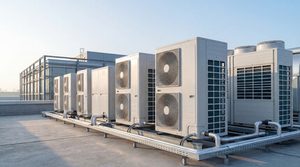
Reliable HVAC Services to Improve Efficiency and Air Quality

HVAC Round Rock systems are essential for maintaining a comfortable and healthy indoor environment in both homes and businesses. Beyond controlling temperature, these systems regulate airflow, manage humidity, and filter airborne pollutants, all of which contribute to overall indoor air quality (IAQ). However, like any complex system, HVAC units require regular maintenance, timely repairs, and occasional upgrades to operate efficiently.

Reliable HVAC services not only restore proper system functionality but also enhance energy efficiency, extend equipment lifespan, and improve indoor air quality for year-round comfort. This guide explores the benefits of professional HVAC services, common system issues, preventive maintenance, and strategies to optimize indoor comfort and air quality.

HVAC

The Importance of Reliable HVAC Services

HVAC systems are intricate assemblies of mechanical and electrical components, including compressors, coils, fans, ductwork, thermostats, and filters. When one component fails or operates inefficiently, it can affect the system’s performance, increase energy consumption, and compromise indoor comfort.

Reliable HVAC services ensure that all parts of the system function correctly and cohesively. Professionals provide comprehensive solutions, including installation, repair, maintenance, and system upgrades. Their expertise allows for accurate diagnostics, efficient repairs, and effective performance optimization.

For homeowners, reliable HVAC services translate into consistent temperatures, improved air quality, and reduced energy costs. In commercial settings, these services support employee productivity, maintain equipment longevity, and ensure a safe, comfortable environment for clients and staff.

Common HVAC Problems and How Experts Address Them

Understanding common HVAC problems helps property owners recognize when professional intervention is needed. Some typical issues include:

  1. Reduced Heating or Cooling Efficiency
  2. If certain areas of a property are too hot or cold, it may indicate airflow problems, thermostat malfunctions, or uneven duct distribution. HVAC professionals evaluate airflow, recalibrate thermostats, and repair system components to restore balanced temperatures throughout the space.
  3. Dirty or Clogged Filters
  4. Filters capture dust, pollen, and other pollutants, protecting the system and improving indoor air quality. Over time, filters become clogged, restricting airflow and reducing efficiency. Technicians inspect, clean, or replace filters to ensure optimal airflow and performance.
  5. Refrigerant Issues
  6. Air conditioning units rely on proper refrigerant levels to cool effectively. Leaks or insufficient refrigerant reduce cooling capacity and force compressors to work harder, increasing energy usage. Experts identify leaks, repair affected components, and recharge refrigerant to the correct levels.
  7. Electrical Problems
  8. Faulty wiring, blown fuses, or malfunctioning capacitors can disrupt HVAC operations or create safety hazards. Skilled technicians safely repair electrical components to restore system reliability.
  9. Unusual Noises or Odors
  10. Buzzing, rattling, or grinding sounds often signal mechanical or electrical issues, while musty or unpleasant odors may indicate mold or debris buildup. Professionals identify the source and perform necessary repairs, cleaning, or system adjustments.
  11. Water Leaks or Ice Formation
  12. Condensation leaks or ice buildup on coils indicate drainage or airflow problems. HVAC experts inspect and correct these issues to prevent further damage and maintain proper operation.

Timely repairs of these issues improve system efficiency, restore comfort, and prevent long-term damage that could require costly replacements.

The Role of Skilled HVAC Technicians

The effectiveness of HVAC services largely depends on the skills and experience of the technician. Reliable HVAC providers employ professionals trained to handle various systems, including central air units, ductless mini-splits, heat pumps, and commercial-grade equipment.

Technicians use advanced diagnostic tools to identify issues quickly and accurately. Their knowledge ensures that repairs are performed correctly the first time, minimizing recurring problems. Furthermore, professionals prioritize safety, handling electrical components and refrigerants according to industry standards to protect both property and occupants.

Benefits of Reliable HVAC Services

Investing in professional HVAC services provides numerous advantages for homeowners and business owners alike:

  • Improved Energy Efficiency
  • Well-maintained HVAC systems operate more efficiently, reducing energy consumption and lowering utility bills. Repairs such as fixing leaks, cleaning coils, and calibrating thermostats ensure optimal performance.
  • Enhanced Indoor Air Quality
  • Clean filters, proper ventilation, and humidity control help eliminate airborne contaminants, allergens, and pollutants, creating a healthier indoor environment.
  • Consistent Comfort
  • Reliable HVAC services restore even heating and cooling throughout the property, preventing hot or cold spots.
  • Extended System Lifespan
  • Professional maintenance and repairs reduce wear and tear, prolonging the life of the HVAC system.
  • Cost Savings
  • Timely repairs and preventive maintenance minimize the risk of emergency breakdowns and costly replacements.
  • Safety and Compliance
  • Professionals ensure electrical components, refrigerants, and ventilation systems are handled safely, protecting occupants and complying with safety regulations.

Preventive Maintenance for Year-Round Comfort

Regular maintenance is critical for maximizing system efficiency, preventing breakdowns, and maintaining air quality. Preventive HVAC maintenance typically includes:

  • Filter Cleaning or Replacement
  • Regular filter maintenance improves airflow, enhances indoor air quality, and prevents strain on system components.
  • Coil Cleaning
  • Evaporator and condenser coils accumulate dirt and debris over time, reducing efficiency. Cleaning these components ensures proper heat exchange and system performance.
  • Refrigerant Level Checks
  • Proper refrigerant levels maintain cooling efficiency and prevent compressor strain.
  • Electrical Component Inspection
  • Technicians check wiring, capacitors, and connections to prevent electrical failures and potential hazards.
  • Ductwork Evaluation
  • Sealing leaks, insulating ducts, and optimizing airflow improve efficiency and ensure even heating and cooling.

Many HVAC providers offer seasonal maintenance plans, scheduling inspections before peak heating or cooling periods. These services minimize unexpected repairs, maintain energy efficiency, and ensure consistent indoor comfort year-round.

Energy Efficiency Strategies

Energy efficiency is a key component of reliable HVAC service. Properly maintained and repaired systems consume less electricity while maintaining performance. Strategies to improve efficiency include:

  • Repairing Leaks in Ducts or Refrigerant Lines
  • Preventing leaks ensures energy is not wasted and systems operate at peak efficiency.
  • Cleaning and Replacing Filters and Coils
  • Improved airflow and heat exchange reduce energy consumption.
  • Upgrading to High-Efficiency Components
  • Modern compressors, fans, and motors use less energy while providing consistent performance.
  • Thermostat Optimization
  • Programmable or smart thermostats prevent unnecessary cycling, reducing energy costs without sacrificing comfort.

By implementing these strategies, property owners benefit from lower utility bills and a reduced environmental footprint.

Enhancing Indoor Air Quality

Indoor air quality is closely linked to HVAC system performance. Professionals help improve air quality through:

  • High-Quality Filtration
  • Advanced filters remove fine particles, allergens, and dust from the air.
  • Humidity Control
  • Properly balanced humidity reduces mold growth, allergens, and respiratory irritants.
  • Air Purification Systems
  • UV lights, ionizers, or HEPA filtration systems eliminate contaminants, enhancing indoor air quality.

These improvements not only support healthier living and working environments but also enhance the efficiency and longevity of the HVAC system.

Residential and Commercial Benefits

Residential Homes:

Reliable HVAC services provide homeowners with consistent indoor temperatures, improved air quality, and energy savings. Regular maintenance and timely repairs prevent sudden breakdowns and increase system longevity.

Commercial Spaces:

Businesses rely on efficient HVAC systems to maintain employee comfort, protect equipment, and enhance customer experiences. Professional services minimize downtime, reduce energy costs, and support safe and healthy environments for staff and clients.

Recognizing Signs You Need HVAC Services

Property owners should watch for indicators that HVAC maintenance or repair is required:

  • Uneven indoor temperatures
  • Strange noises or odors from the system
  • Reduced airflow from vents
  • Water leaks or ice buildup on components
  • Frequent cycling of the system
  • Unexpectedly high energy bills

Early recognition of these signs allows homeowners and businesses to schedule prompt service, preventing more serious problems and maintaining comfort and efficiency.

Choosing a Reliable HVAC Service Provider

When selecting an HVAC service provider, consider the following factors:

  • Experience and Expertise
  • Technicians should have experience with a variety of HVAC systems and brands to ensure accurate and effective repairs.
  • Comprehensive Services
  • Providers offering installation, repair, maintenance, and upgrades provide a complete solution for year-round indoor comfort.
  • Response Time
  • Fast and reliable service is crucial, especially during extreme temperatures.
  • Quality Parts and Equipment
  • High-quality replacement parts ensure long-lasting performance and system reliability.
  • Preventive Maintenance Plans
  • Scheduled maintenance reduces future repair needs and ensures systems remain efficient and safe.

Choosing a trusted HVAC service provider ensures consistent comfort, improved air quality, and efficient system performance.

Reliable HVAC services are essential for maintaining comfortable, energy-efficient, and healthy indoor environments in both residential and commercial spaces. Skilled technicians provide comprehensive solutions, including installation, repair, maintenance, and upgrades, to optimize system performance and indoor air quality.

Regular maintenance and timely repairs prevent minor issues from becoming major problems, enhance energy efficiency, and extend the lifespan of HVAC equipment. Upgrades such as high-efficiency components, smart thermostats, and improved filtration systems further improve comfort and indoor air quality.

By investing in reliable HVAC services, property owners can enjoy consistent heating and cooling, improved air quality, reduced energy costs, and peace of mind throughout the year. Professional HVAC services are not just a convenience—they are a critical investment in comfort, health, and efficiency.